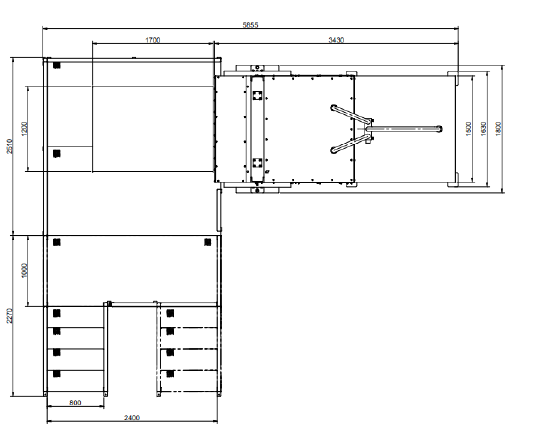
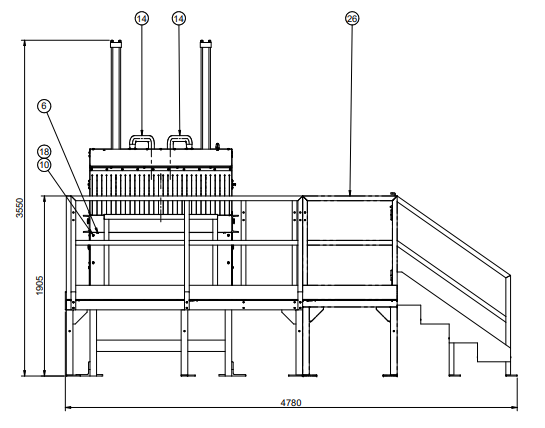
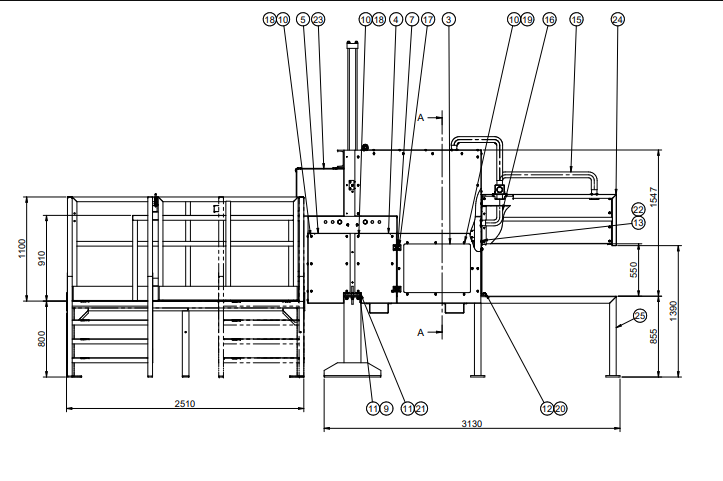
Recyclagefabriek voor zonnepanelen, voorbeeld van delaminatie

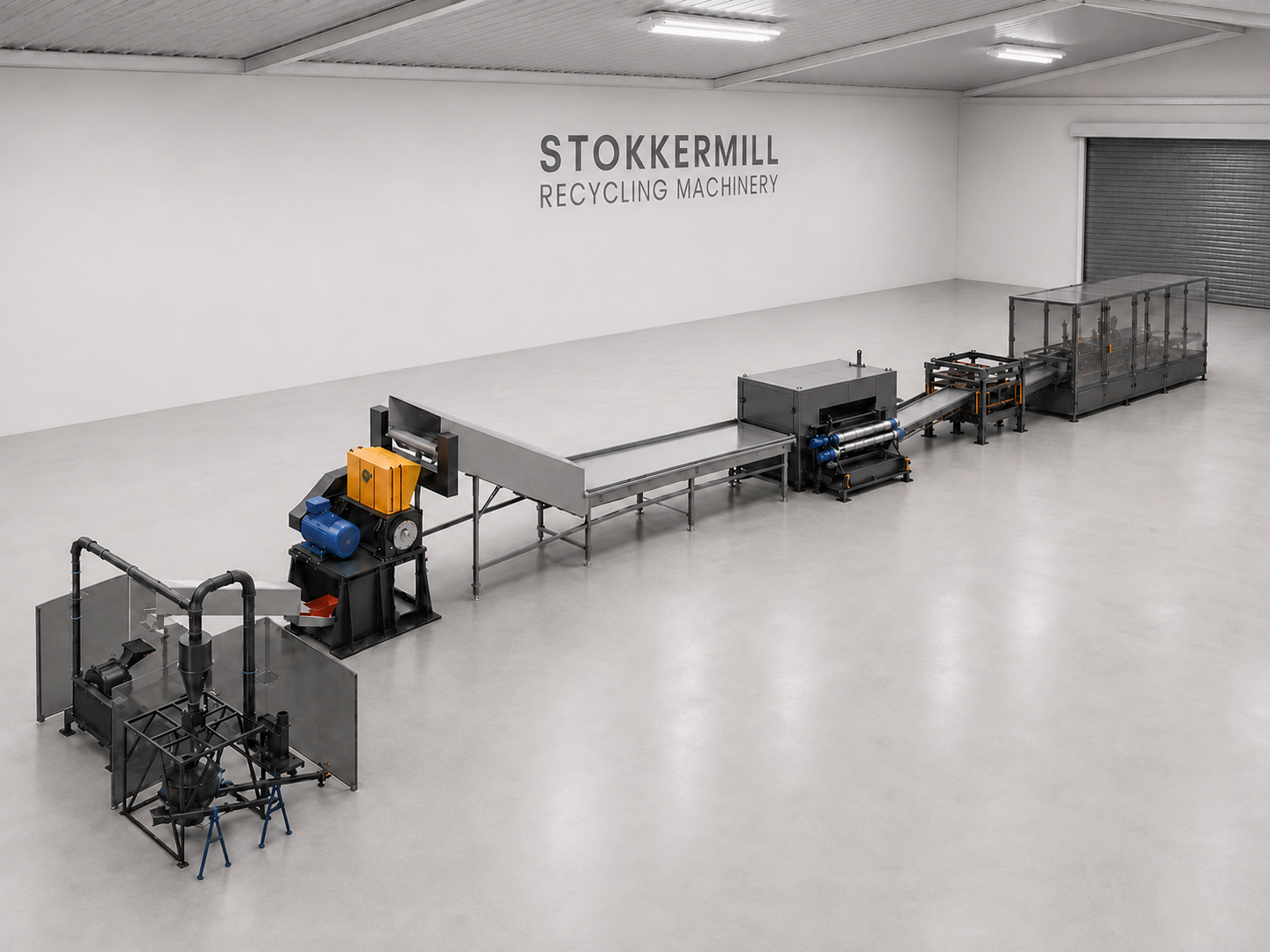
De Stokkermill Solar Delamination-installatie is een geïntegreerde, semi-automatische oplossing voor de verwerking van afgedankte fotovoltaïsche modules. De lijn combineert frameverwijdering, delaminatie en de daaropvolgende opwerking van EVA- en siliciumhoudende fracties, waardoor de belangrijkste materialen uit de modules afzonderlijk kunnen worden teruggewonnen.
Met een indicatieve capaciteit van 1,5 tot 2,0 ton per uur is het systeem geschikt voor verwerkers die gecontroleerde industriële volumes behandelen zonder dat een volledig geautomatiseerde lijn nodig is.
Een geïntegreerd proces in twee fasen
Het recyclingproces bestaat uit twee opeenvolgende fasen. Tijdens de eerste fase worden de frames van de fotovoltaïsche modules verwijderd, waarna de modules door de Stokkermill DLS Delaminator worden verwerkt. In deze fase wordt het aluminium frame verwijderd en de glasfractie teruggewonnen.
Het resterende materiaal, dat voornamelijk uit de gelamineerde componenten van de module bestaat, wordt vervolgens naar het tweede gedeelte van de lijn getransporteerd. Hier worden de EVA- en siliciumhoudende fracties verder verwerkt en opgewerkt.
Door deze twee fasen te combineren, ontstaat een gecoördineerd proces dat tussentijdse materiaaloverslag beperkt en gescheiden outputfracties voorbereidt voor verdere terugwinning en opwerking.
Frameverwijdering en delaminatie van fotovoltaïsche modules
Het eerste gedeelte van de lijn omvat de frameverwijderingsunit en de Stokkermill DLS Delaminator.
De unit verwijdert het aluminium frame rondom de module, zodat het aluminium afzonderlijk kan worden teruggewonnen en de module wordt voorbereid op de volgende verwerkingsfase. De module wordt vervolgens in het DLS-systeem gevoerd, dat het delaminatieproces uitvoert en het glas van de laminaatstructuur scheidt.
Het belangrijkste materiaal dat in deze fase wordt verkregen, is teruggewonnen glas. De resterende EVA/backsheet-fractie, die de fotovoltaïsche cellen en bijbehorende materialen bevat, gaat verder naar het opwerkingsgedeelte.
Opwerking van de EVA- en siliciumfracties
Na de verwijdering van het glas wordt het resterende materiaal verwerkt door het EVA–Silicon Refining System.
In deze tweede fase wordt het gelamineerde materiaal uit de delaminator verkleind en verwerkt om twee verschillende fracties te verkrijgen:
- een fractie die voornamelijk uit EVA en backsheet bestaat;
- een siliciumhoudende fractie afkomstig van de fotovoltaïsche cellen.
Het systeem produceert geen zuiver silicium en vervangt geen eventueel noodzakelijke navolgende metallurgische of raffinageprocessen. Het doel is om de materialen mechanisch voor te bereiden en te scheiden, zodat homogenere fracties ontstaan die tijdens verdere terugwinningsprocessen gemakkelijker kunnen worden verwerkt en behandeld.
Teruggewonnen materialen
Het Solar Delamination-proces produceert afzonderlijke stromen van de belangrijkste materialen in fotovoltaïsche modules:
- aluminium dat tijdens de frameverwijdering wordt teruggewonnen;
- glas dat tijdens de delaminatie wordt teruggewonnen;
- een fractie die voornamelijk uit EVA en backsheet bestaat;
- een siliciumhoudende fractie afkomstig van de fotovoltaïsche cellen.
De samenstelling en eigenschappen van deze materialen kunnen variëren afhankelijk van het type, de opbouw en de staat van de verwerkte modules.
Stokkermill Solar-technologie
Stokkermill Solar ontwikkelt specifieke oplossingen voor de verwerking en recycling van afgedankte fotovoltaïsche modules, van afzonderlijke machines tot volledig geïntegreerde automatische installaties.
De Solar Delamination-installatie combineert frameverwijdering, delaminatie en fractieopwerking binnen één gecoördineerd platform en biedt een industriële oplossing voor glasterugwinning en de voorbereiding van EVA- en siliciumhoudende fracties.