Dedicated industrial solution for the safe treatment of LCD monitors

CRH-LCD Description
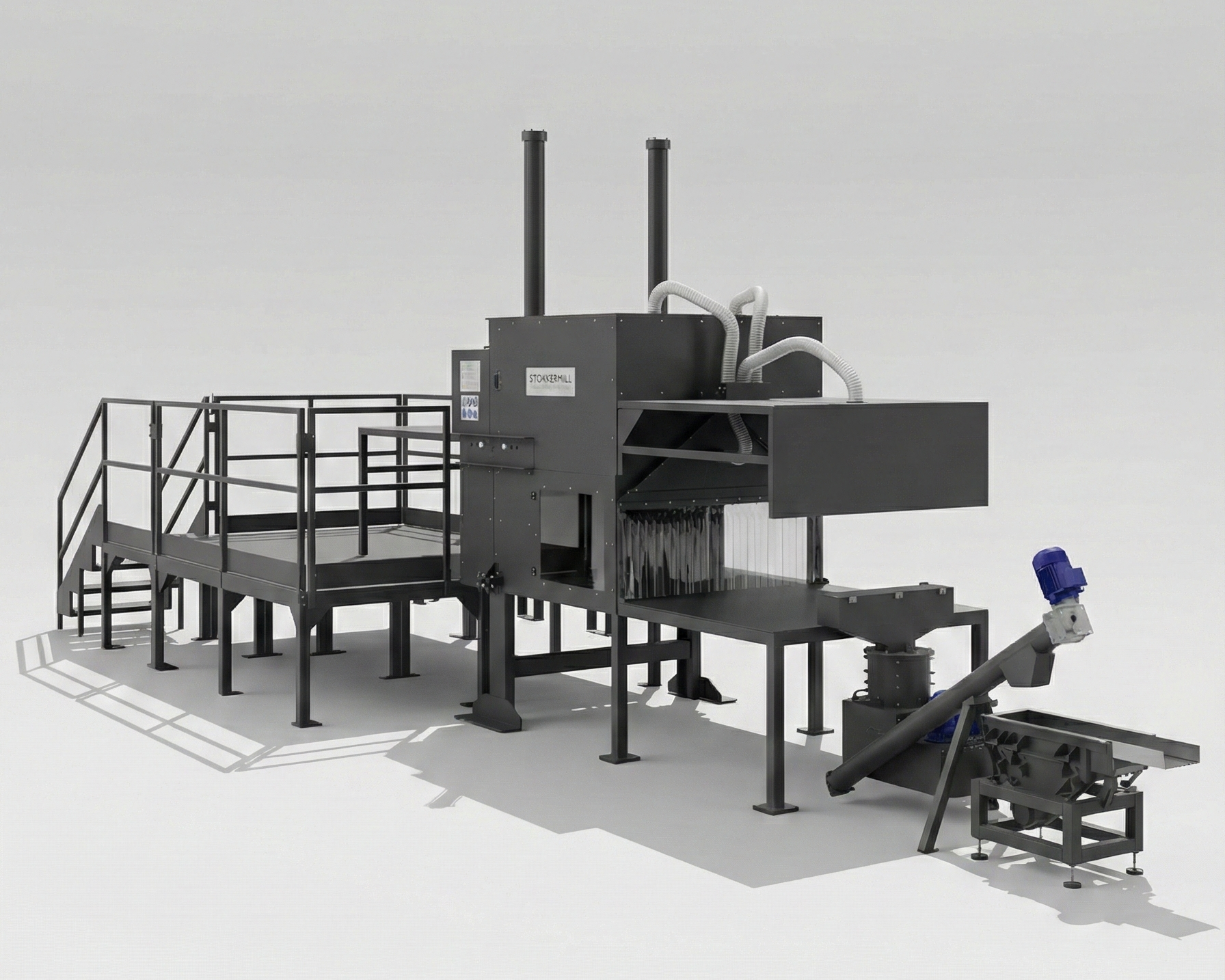
CRH-LCD is a Stokkermill machine specifically developed for the treatment, decontamination, and selective recovery of materials contained in LCD monitors, a type of waste that cannot be processed in conventional WEEE lines due to the presence of harmful components within the backlighting system.
Unlike standard WEEE streams, LCD monitors require a dedicated and controlled process capable of safely managing potentially hazardous emissions generated during the opening and treatment phase. CRH-LCD addresses this need with an industrial solution designed to operate in a fully enclosed, aspirated, and filtered environment, preventing any dispersion of harmful substances.
The system integrates controlled breaking, assisted manual sorting, and a dedicated backlighting treatment, enabling preventive decontamination of the waste and the subsequent separation of different material fractions. This approach ensures maximum safety for operators, full compliance with environmental regulations, and a high level of recovery of valuable materials such as glass, ABS plastic, and metals.
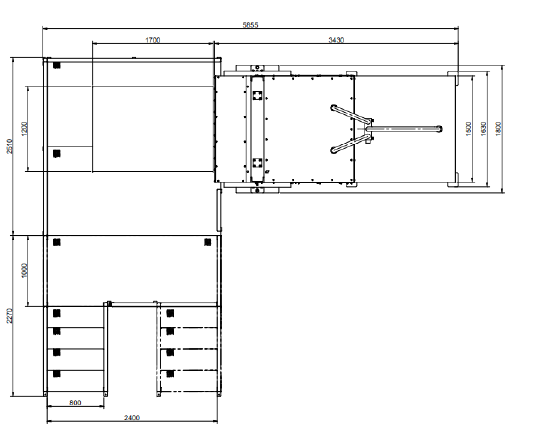
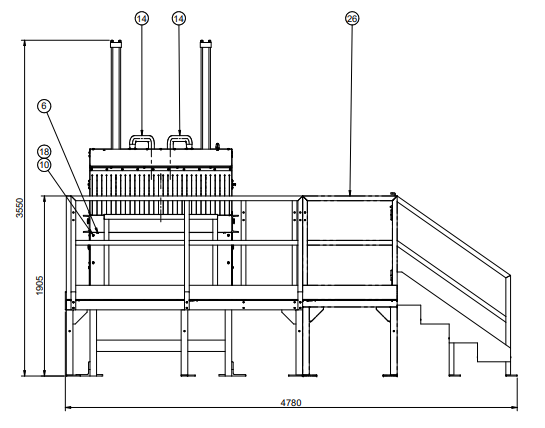
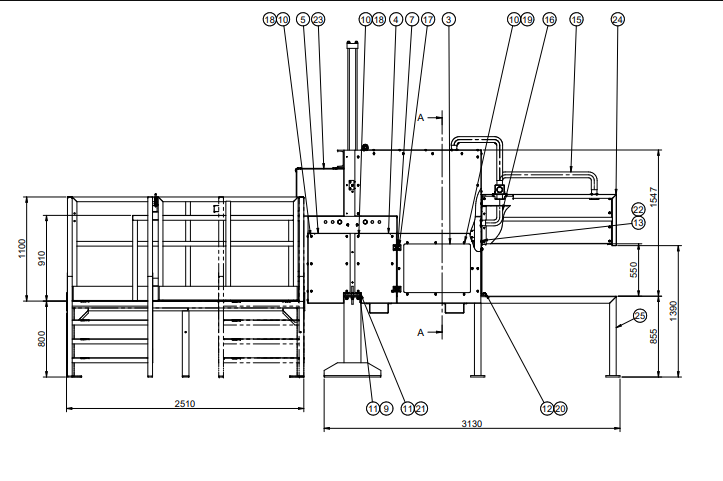
Thanks to its modular configuration, CRH-LCD can be installed as a stand-alone system or integrated into existing Stokkermill WEEE lines, allowing operators to expand their range of treatable waste and improve both the economic and environmental performance of the plant.
Why CRH-LCD?
LCD monitors contain backlighting lamps with toxic gases, making direct treatment unsafe, non-compliant, and potentially hazardous for both operators and the environment.
CRH-LCD enables preventive decontamination of the monitor, making it suitable for subsequent treatment stages.
CRH-LCD Process Flow Diagram
The CRH-LCD process is structured into a sequence of consecutive operational phases that enable controlled management of LCD monitor treatment, from the initial breaking stage through to the final separation and destination of recovered materials.
Phase 1: Controlled Breaking
The first stage of the process consists of controlled mechanical breaking of the monitor. This operation is performed using a 4 kW pneumatic cylinder, ensuring precise and regulated fragmentation of the device. The entire process takes place inside a fully aspirated working chamber equipped with an absolute filtration system. This technical setup guarantees total containment of harmful emissions, preventing the release of hazardous substances into the working environment.
Phase 2: Manual Sorting
After the breaking phase, the material is subjected to manual sorting. Operators work in a protected and controlled environment, where they separate the different material fractions. In this stage, high-quality ABS plastic is recovered, while mixed plastics containing ferrous components are separated and sent to the WEEE treatment line for further processing and recovery.
Phase 3: Backlighting Treatment
The next phase concerns the management of the monitor backlighting. The lamps are conveyed to a chain mill, where they undergo controlled crushing. The resulting material is then transported via screw conveyor and subjected to a final separation using a screening sieve, completing the treatment and classification of the different components.
Recovered Materials and Final Destinations
At the end of the process, the various fractions are sent to their respective recovery destinations. Glass is sent for recovery and valorization, ABS plastic is recovered as a high-quality material, steel is sent to secondary processing, and mixed plastics are directed to the WEEE line for further treatment stages.