Impianto di riciclaggio di pannelli solari mod. Delaminazione

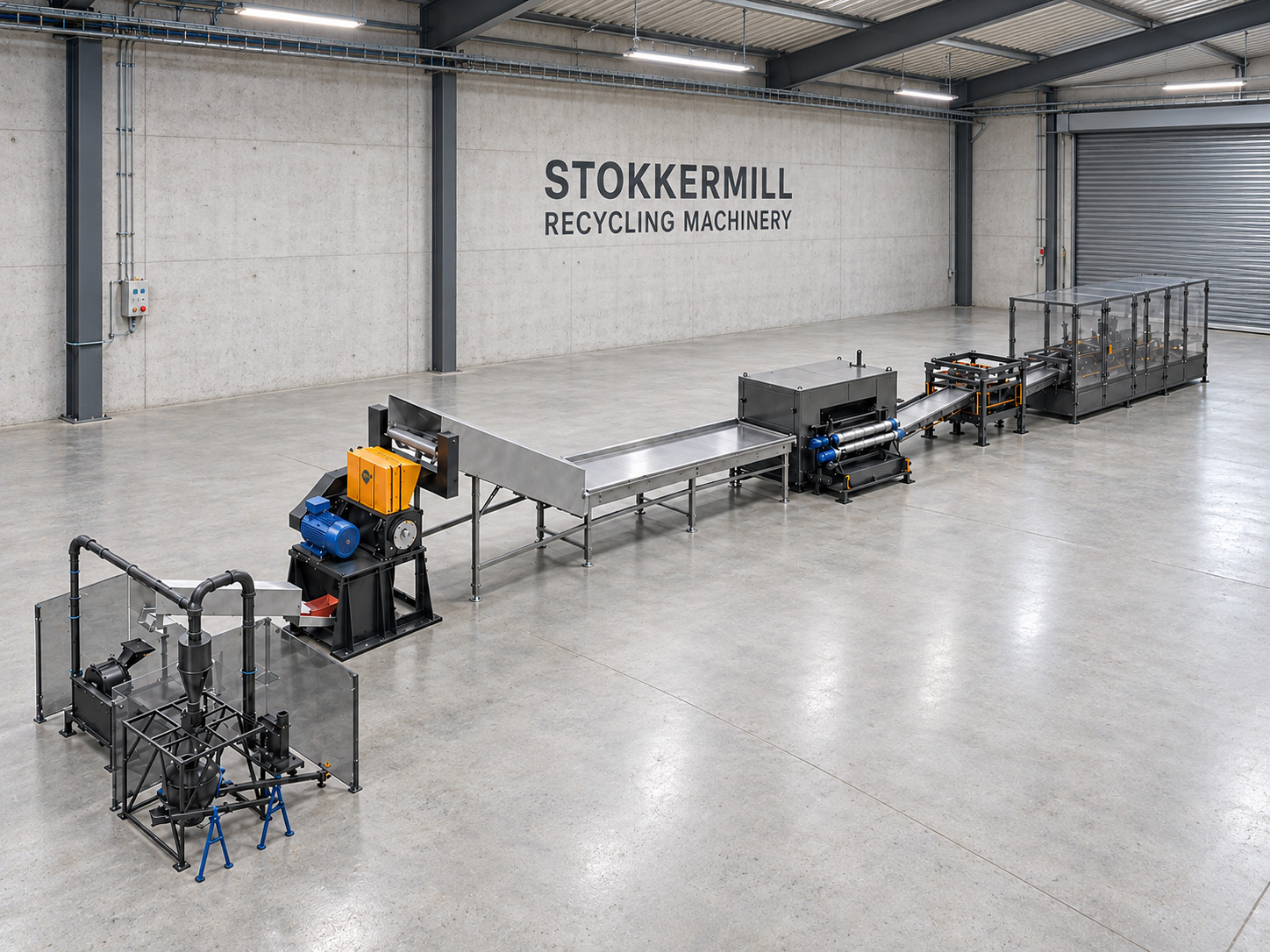
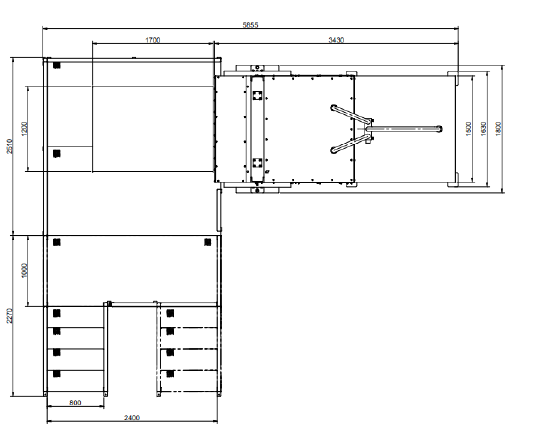
L’impianto Stokkermill Solar Delamination è una soluzione integrata semiautomatica progettata per il trattamento dei moduli fotovoltaici a fine vita. La linea combina la rimozione del telaio, la delaminazione e la successiva raffinazione delle frazioni contenenti EVA e silicio, consentendo di recuperare separatamente i principali materiali presenti nei moduli.
Con una capacità indicativa compresa tra 1,5 e 2,0 tonnellate all’ora, il sistema è adatto agli operatori che gestiscono volumi industriali controllati senza richiedere una linea completamente automatizzata.
Un processo integrato in due fasi
Il processo di riciclaggio è organizzato in due fasi consecutive. Durante la prima fase, i moduli fotovoltaici vengono scorniciati e trattati mediante il delaminatore Stokkermill DLS. Questa fase permette di rimuovere il telaio in alluminio e recuperare la frazione di vetro.
Il materiale residuo, costituito principalmente dalle componenti laminate del modulo, viene quindi trasferito alla seconda sezione della linea, dove le frazioni contenenti EVA e silicio vengono ulteriormente trattate e raffinate.
La combinazione di queste due fasi crea un processo coordinato, riduce le movimentazioni intermedie del materiale e prepara frazioni di output differenziate per le successive operazioni di recupero e valorizzazione.
Scorniciatura e delaminazione dei moduli fotovoltaici
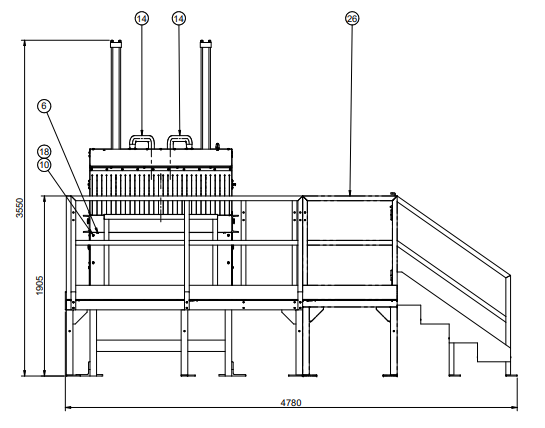
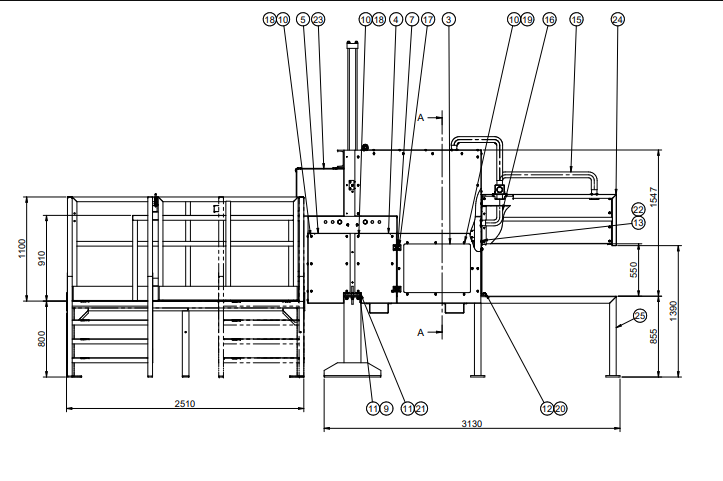
La prima sezione della linea comprende lo scorniciatore e il delaminatore Stokkermill DLS.
Lo scorniciatore rimuove il telaio perimetrale in alluminio, consentendone il recupero separato e preparando il modulo alla successiva fase di trattamento. Il modulo viene quindi alimentato al sistema DLS, che esegue la delaminazione e separa la componente vetrosa dalla struttura laminata.
Il principale output di questa fase è il vetro recuperato. La restante frazione EVA/backsheet, contenente le celle fotovoltaiche e i materiali associati, prosegue verso la sezione di raffinazione.
Raffinazione delle frazioni EVA e silicio
Dopo la rimozione del vetro, il materiale residuo viene trattato dal sistema di raffinazione EVA–silicio.
Questa seconda fase riduce e tratta il materiale laminato proveniente dal delaminatore per ottenere due frazioni differenziate:
- una frazione a prevalente contenuto di EVA e backsheet;
- una frazione contenente silicio proveniente dalle celle fotovoltaiche.
Il sistema non produce silicio puro e non sostituisce gli eventuali processi metallurgici o di raffinazione successivi. Il suo scopo è preparare e separare meccanicamente i materiali, ottenendo frazioni più omogenee e più semplici da gestire e trattare nelle successive operazioni di recupero.
Materiali recuperati
Il processo Solar Delamination produce flussi separati dei principali materiali contenuti nei moduli fotovoltaici:
- alluminio recuperato durante la rimozione del telaio;
- vetro recuperato durante la delaminazione;
- una frazione a prevalente contenuto di EVA e backsheet;
- una frazione contenente silicio proveniente dalle celle fotovoltaiche.
La composizione e le caratteristiche degli output possono variare in funzione della tipologia, della struttura costruttiva e delle condizioni dei moduli trattati.
Tecnologia Stokkermill Solar
Stokkermill Solar sviluppa soluzioni dedicate al trattamento e al riciclaggio dei moduli fotovoltaici a fine vita, dalle singole macchine agli impianti automatici completamente integrati.
L’impianto Solar Delamination combina scorniciatura, delaminazione e raffinazione delle frazioni all’interno di una piattaforma coordinata, offrendo una soluzione industriale per il recupero del vetro e la preparazione delle frazioni contenenti EVA e silicio.