Fábrica de reciclagem de painéis solares, modelo de delaminação

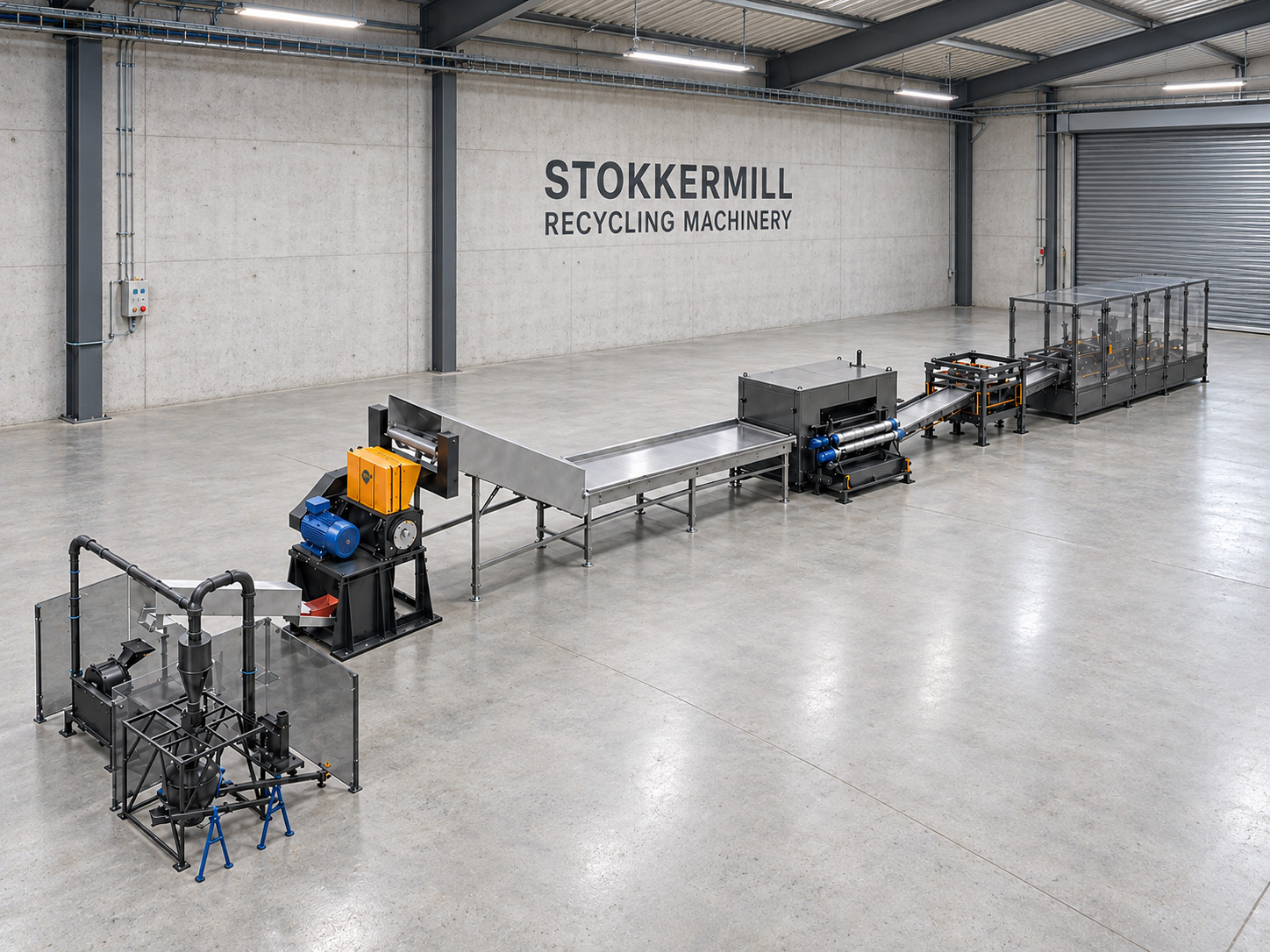
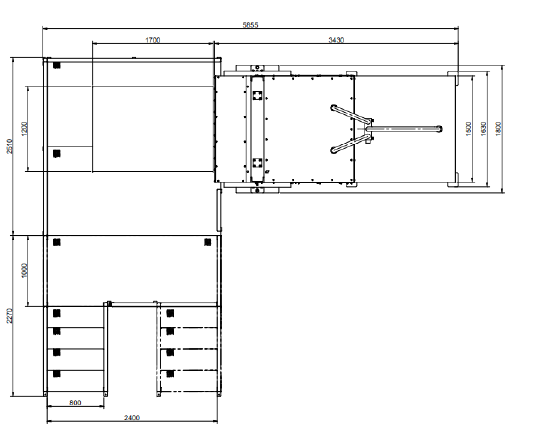
A instalação Stokkermill Solar Delamination é uma solução integrada semiautomática concebida para o tratamento de módulos fotovoltaicos em fim de vida. A linha combina a remoção do caixilho, a delaminação e a posterior refinação das frações que contêm EVA e silício, permitindo recuperar separadamente os principais materiais presentes nos módulos.
Com uma capacidade indicativa entre 1,5 e 2,0 toneladas por hora, o sistema é adequado para operadores que processam volumes industriais controlados sem necessitarem de uma linha totalmente automatizada.
Um processo integrado em duas etapas
O processo de reciclagem está organizado em duas etapas consecutivas. Durante a primeira etapa, os caixilhos dos módulos fotovoltaicos são removidos e os módulos são depois processados pelo delaminador Stokkermill DLS. Esta etapa permite remover o caixilho de alumínio e recuperar a fração de vidro.
O material restante, constituído principalmente pelos componentes laminados do módulo, é depois transferido para a segunda secção da linha, onde as frações que contêm EVA e silício são processadas e refinadas.
A combinação destas duas etapas cria um processo coordenado, reduz as movimentações intermédias do material e prepara frações de saída diferenciadas para as operações subsequentes de recuperação e valorização.
Remoção do caixilho e delaminação dos módulos fotovoltaicos
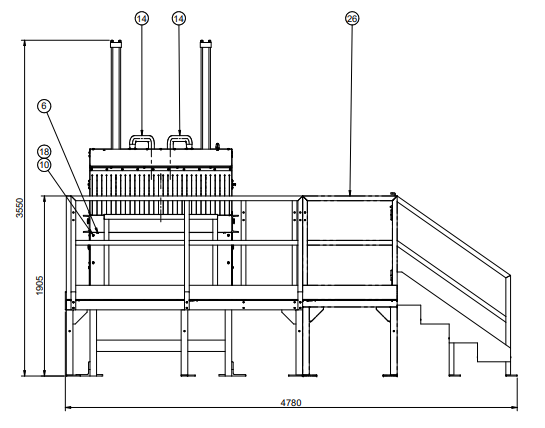
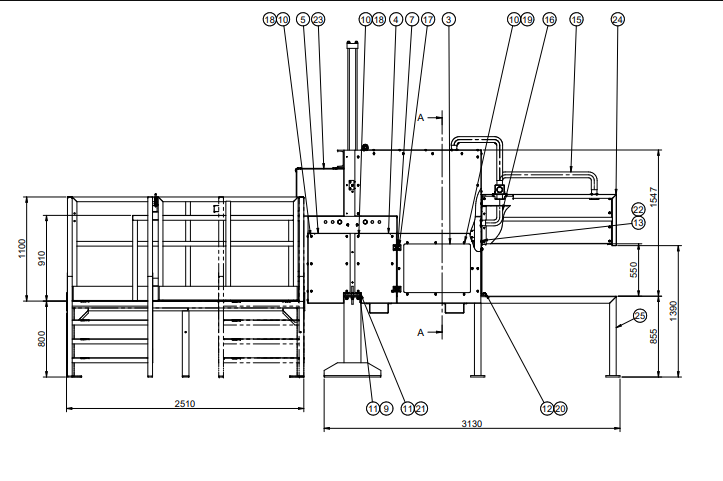
A primeira secção da linha inclui a unidade de remoção do caixilho e o delaminador Stokkermill DLS.
A unidade remove o caixilho perimetral de alumínio, permitindo recuperar o alumínio separadamente e preparar o módulo para a etapa de processamento seguinte. O módulo é depois alimentado ao sistema DLS, que realiza a delaminação e separa o vidro da estrutura laminada.
O principal material obtido nesta etapa é o vidro recuperado. A restante fração de EVA/backsheet, que contém as células fotovoltaicas e os materiais associados, prossegue para a secção de refinação.
Refinação das frações de EVA e silício
Após a remoção do vidro, o material restante é processado pelo sistema de refinação EVA–silício.
Esta segunda etapa reduz e processa o material laminado proveniente do delaminador para obter duas frações diferenciadas:
- uma fração constituída predominantemente por EVA e backsheet;
- uma fração que contém silício proveniente das células fotovoltaicas.
O sistema não produz silício puro nem substitui eventuais processos metalúrgicos ou de refinação posteriores. O seu objetivo é preparar e separar mecanicamente os materiais, obtendo frações mais homogéneas e mais fáceis de manusear e processar durante as operações de recuperação subsequentes.
Materiais recuperados
O processo Solar Delamination produz fluxos separados dos principais materiais contidos nos módulos fotovoltaicos:
- alumínio recuperado durante a remoção do caixilho;
- vidro recuperado durante a delaminação;
- uma fração constituída predominantemente por EVA e backsheet;
- uma fração que contém silício proveniente das células fotovoltaicas.
A composição e as características destes materiais podem variar em função do tipo, da estrutura e do estado dos módulos processados.
Tecnologia Stokkermill Solar
A Stokkermill Solar desenvolve soluções específicas para o tratamento e a reciclagem de módulos fotovoltaicos em fim de vida, desde máquinas individuais até instalações automáticas totalmente integradas.
A instalação Solar Delamination combina a remoção do caixilho, a delaminação e a refinação das frações numa plataforma coordenada, oferecendo uma solução industrial para a recuperação do vidro e a preparação das frações que contêm EVA e silício.