Entry-level photovoltaic recycling line
An entry-level line for the recovery of EVA mats and glass-free backsheets from end-of-life photovoltaic modules

1. General Description
The PV Entry Level Recycling Line represents the entry solution within the Stokkermill Solar range, designed for operators aiming to start the treatment and recycling of end-of-life photovoltaic (PV) modules with a limited initial investment, while ensuring the production of a high-value commercial output.
The system has two primary objectives: firstly, the removal and recovery of the aluminium frame through the dedicated frame removal module; secondly, the production of an EVA/backsheet laminate completely free from glass contamination. This material represents a high-value recyclable stream with strong and continuously growing market potential.
The technological focus of the system is to provide a fast, efficient and accessible recycling process capable of producing a clean composite material immediately suitable for commercialisation and further recycling applications.
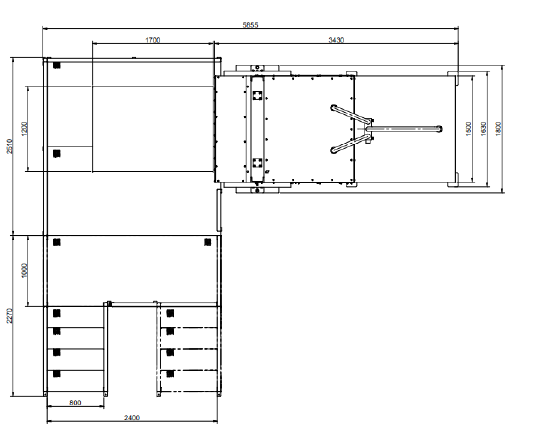
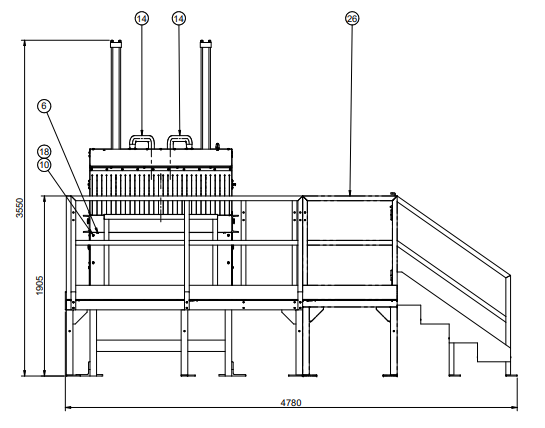
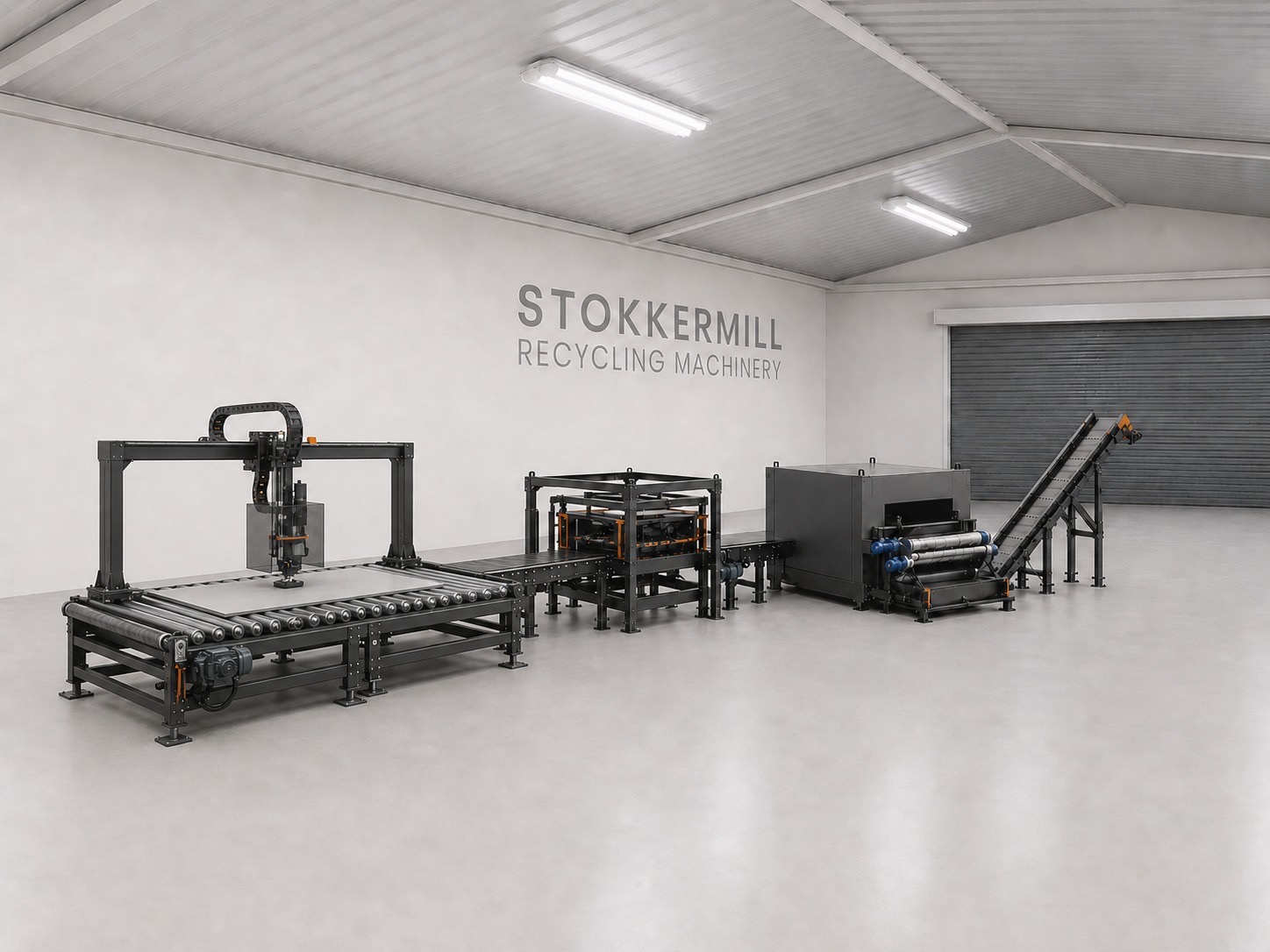
2. Line Composition (Layout Render)
The plant is configured as a sequential processing line consisting of two main machines:
Frame Removal Unit:
A dedicated module designed for the mechanical removal of the aluminium frame from incoming photovoltaic modules.
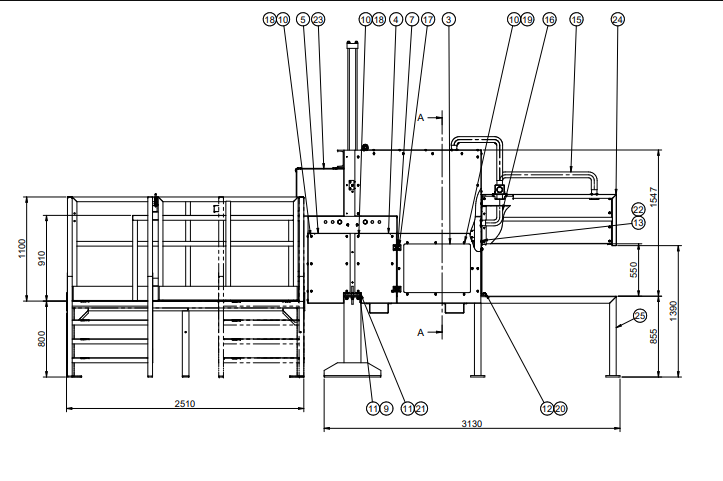
Stokkermill DLS Delaminator:
An advanced processing unit developed for the mechanical separation of glass from the PV laminate. The process combines an infrared heating system with a controlled scraping action, ensuring the recovery of an EVA/backsheet laminate completely free from glass residues.
3. Processing Cycle
The recycling process is divided into two main sequential stages:
Phase 1 – Aluminium Frame Removal and Recovery
The photovoltaic module enters the recycling line complete with its original aluminium frame. The first processing step consists of mechanical frame removal, an essential operation to prepare the module for subsequent treatment stages.
This process enables the recovery and immediate valorisation of aluminium, ensuring a clean separation with minimal contamination from unwanted materials.
Phase 2 – Automated Delamination Process
Once the aluminium frame has been removed, the PV module is transferred to the Stokkermill DLS Delaminator.
The unit operates through a fully automated, closed-loop process managed by a dedicated conveyor system, consisting of the following stages:
Feeding:
The incoming material is positioned and transferred onto a dedicated conveyor belt.
Treatment:
A targeted infrared heating system softens the EVA polymer layer. This controlled thermal action significantly reduces the adhesion force between the glass residues and the polymer layer, operating at controlled temperatures that prevent material melting.
Separation and Discharge:
The removed glass fragments are collected and stored separately. At the same time, the clean polymer laminate (EVA/backsheet) is discharged from the outlet section, ready for final collection.
4. Line Output
At the end of the recycling cycle, the system generates two clearly separated material streams:
Glass-free EVA/backsheet laminate:
This represents the main output of the system. The polymer material is recovered intact and is immediately suitable for commercialisation within an established and reliable recycling market.
Recovered Glass Fraction:
The removed glass fraction is collected and stored separately in dedicated containment systems, ready to be transferred to specialised recovery and recycling streams.
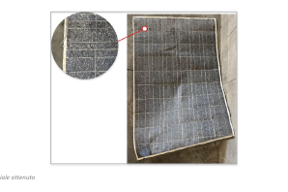
Recovered output material: EVA/backsheet laminate free from glass residues.
5. Process Flow Diagram
Process flow:
End-of-life PV modules with aluminium frame → Frame Removal Unit → Stokkermill DLS Delaminator → Glass-free EVA/backsheet laminate
6. General Technical Features of the Line
7. Operational Advantages
Cost-effective Investment (CAPEX):
A limited initial investment compared with large-scale recycling platforms, making this solution ideal for companies starting photovoltaic recycling operations through a compact and dedicated recycling system.
High Added Value Output:
The primary recovered product (glass-free EVA/backsheet laminate) provides high commercial value due to its suitability for established and growing recycling markets.
Environmental and Operational Safety:
The entire recycling process is contained within the processing line, eliminating the risk of dispersion of dust or glass fragments into the surrounding working environment.
No Harmful Emissions:
The thermal treatment is strictly limited to softening the EVA polymer layer. The process operates below the polymer melting point, preventing the generation of fumes or harmful emissions.
High Purity Output Streams:
The system ensures effective mechanical separation and dedicated collection of the processed materials (polymer laminate and glass), improving downstream recycling efficiency.
Scalability and Growth Path:
The plant provides an expandable foundation, allowing future integration and technological upgrades towards Stokkermill Solar Delamination or Solar Automatic systems to support increasing processing volumes.