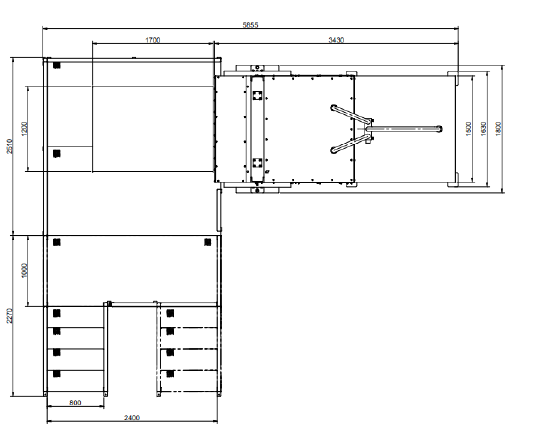
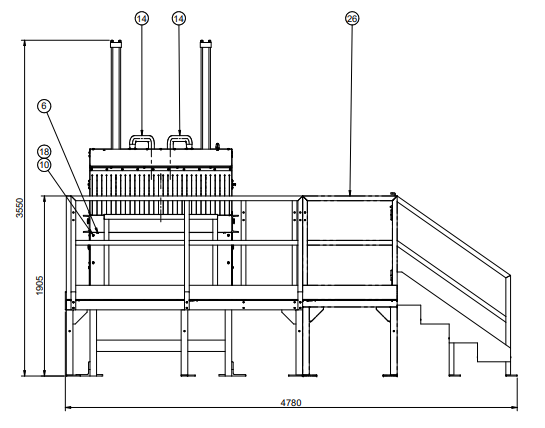
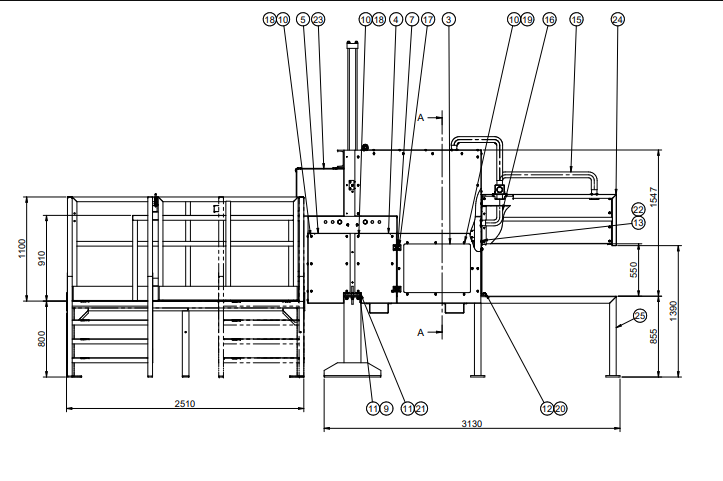
Zakład recyklingu paneli słonecznych, model rozwarstwienia

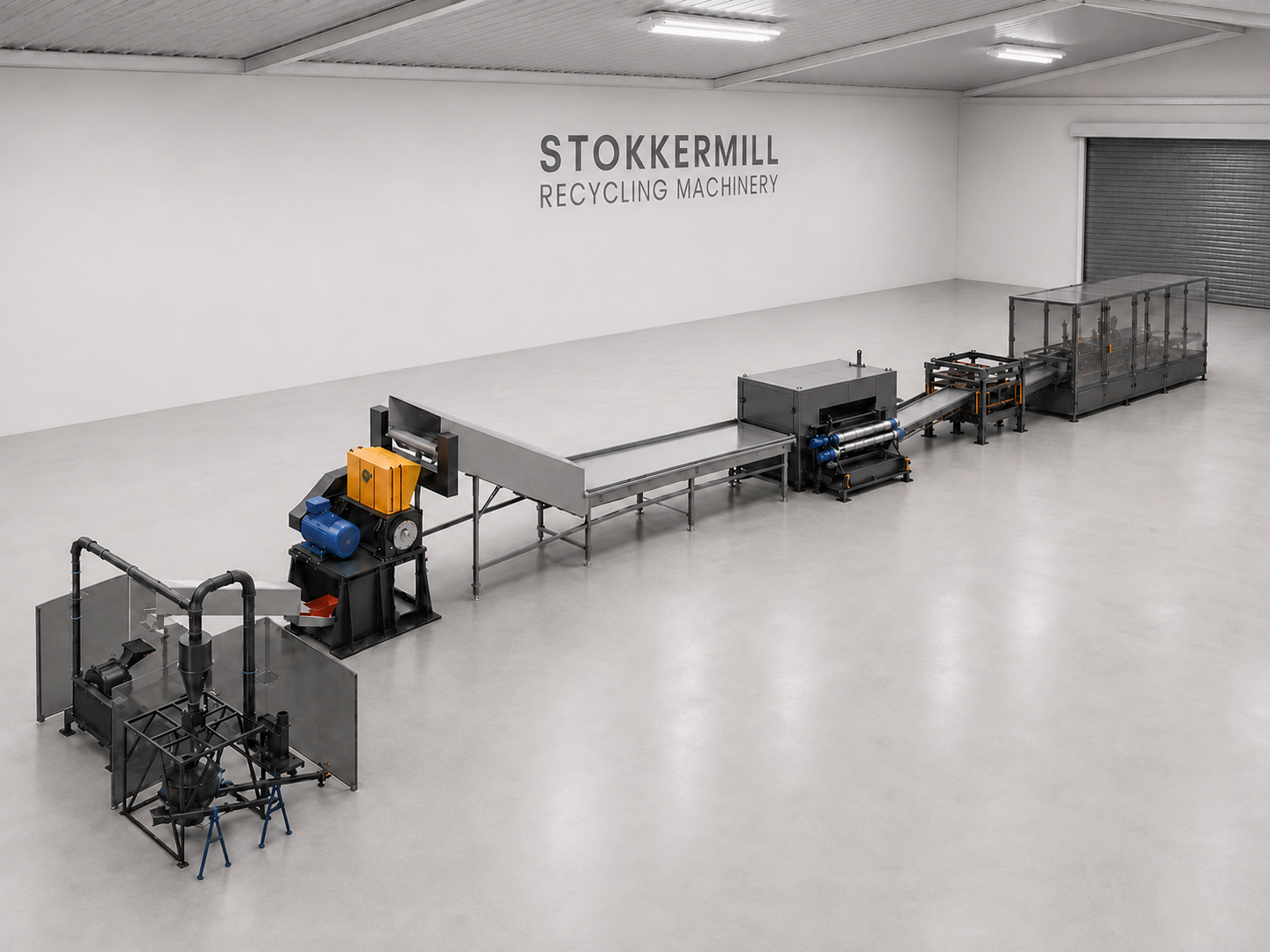
Instalacja Stokkermill Solar Delamination to zintegrowane, półautomatyczne rozwiązanie przeznaczone do przetwarzania wycofanych z eksploatacji modułów fotowoltaicznych. Linia łączy demontaż ram, delaminację oraz dalszą obróbkę frakcji zawierających EVA i krzem, umożliwiając oddzielny odzysk głównych materiałów znajdujących się w modułach.
Przy orientacyjnej wydajności od 1,5 do 2,0 ton na godzinę system jest odpowiedni dla operatorów przetwarzających kontrolowane ilości materiału w skali przemysłowej, bez konieczności stosowania w pełni zautomatyzowanej linii.
Zintegrowany proces dwuetapowy
Proces recyklingu jest podzielony na dwa następujące po sobie etapy. W pierwszym etapie z modułów fotowoltaicznych usuwane są ramy, a następnie moduły są przetwarzane w delaminatorze Stokkermill DLS. Etap ten umożliwia usunięcie aluminiowej ramy oraz odzysk frakcji szkła.
Pozostały materiał, składający się głównie z laminowanych elementów modułu, jest następnie przekazywany do drugiej sekcji linii, w której frakcje zawierające EVA i krzem są poddawane dalszej obróbce.
Połączenie tych dwóch etapów tworzy skoordynowany proces, ogranicza pośrednie przemieszczanie materiału oraz przygotowuje oddzielne frakcje wyjściowe do kolejnych operacji odzysku i zagospodarowania.
Demontaż ram i delaminacja modułów fotowoltaicznych
Pierwsza sekcja linii obejmuje urządzenie do demontażu ram oraz delaminator Stokkermill DLS.
Urządzenie usuwa obwodową ramę aluminiową, umożliwiając oddzielny odzysk aluminium i przygotowując moduł do kolejnego etapu przetwarzania. Następnie moduł jest podawany do systemu DLS, który przeprowadza delaminację i oddziela szkło od laminowanej struktury.
Głównym materiałem uzyskiwanym na tym etapie jest odzyskane szkło. Pozostała frakcja EVA/backsheet, zawierająca ogniwa fotowoltaiczne i związane z nimi materiały, jest kierowana do sekcji dalszej obróbki.
Dalsza obróbka frakcji EVA i krzemu
Po usunięciu szkła pozostały materiał jest przetwarzany w systemie obróbki frakcji EVA–krzem.
W drugim etapie laminowany materiał pochodzący z delaminatora jest rozdrabniany i przetwarzany w celu uzyskania dwóch oddzielnych frakcji:
- frakcji o przeważającej zawartości EVA i materiału backsheet;
- frakcji zawierającej krzem pochodzący z ogniw fotowoltaicznych.
System nie wytwarza czystego krzemu i nie zastępuje ewentualnych dalszych procesów metalurgicznych ani rafinacji. Jego zadaniem jest mechaniczne przygotowanie i oddzielenie materiałów, tak aby uzyskać bardziej jednorodne frakcje, łatwiejsze w obsłudze i przetwarzaniu podczas kolejnych operacji odzysku.
Odzyskane materiały
W wyniku procesu Solar Delamination uzyskuje się oddzielne strumienie głównych materiałów zawartych w modułach fotowoltaicznych:
- aluminium odzyskane podczas demontażu ramy;
- szkło odzyskane podczas delaminacji;
- frakcję o przeważającej zawartości EVA i materiału backsheet;
- frakcję zawierającą krzem pochodzący z ogniw fotowoltaicznych.
Skład i właściwości uzyskanych materiałów mogą się różnić w zależności od typu, konstrukcji i stanu przetwarzanych modułów.
Technologia Stokkermill Solar
Stokkermill Solar opracowuje specjalistyczne rozwiązania do przetwarzania i recyklingu wycofanych z eksploatacji modułów fotowoltaicznych – od pojedynczych maszyn po w pełni zintegrowane, automatyczne instalacje.
Instalacja Solar Delamination łączy demontaż ram, delaminację i obróbkę frakcji w ramach skoordynowanej platformy, oferując przemysłowe rozwiązanie do odzysku szkła oraz przygotowania frakcji zawierających EVA i krzem.