Recyclinganlage für Solarmodule, Delaminationsmodell

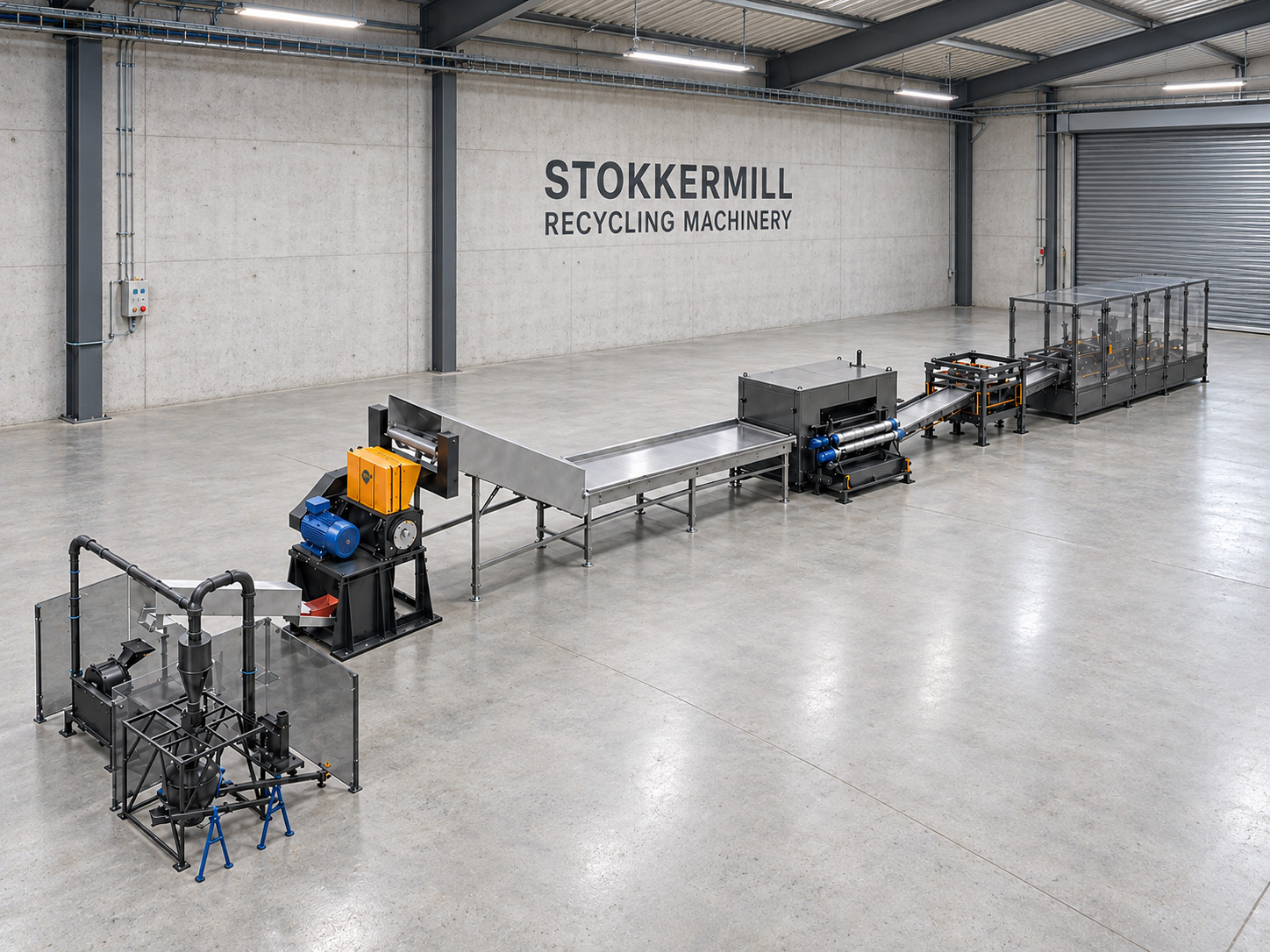
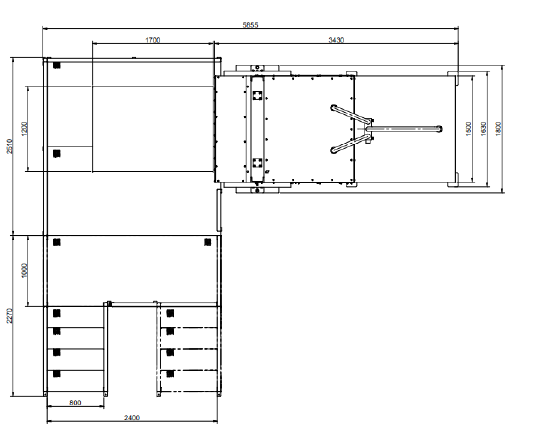
Die Anlage Stokkermill Solar Delamination ist eine integrierte, halbautomatische Lösung für die Verarbeitung ausgedienter Photovoltaikmodule. Die Linie kombiniert die Entfernung der Rahmen, die Delamination und die anschließende Aufbereitung der EVA- und siliziumhaltigen Fraktionen. Dadurch können die wichtigsten in den Modulen enthaltenen Materialien getrennt zurückgewonnen werden.
Mit einer Richtleistung von 1,5 bis 2,0 Tonnen pro Stunde eignet sich das System für Betreiber, die definierte industrielle Materialmengen verarbeiten, ohne dass eine vollautomatische Linie erforderlich ist.
Ein integrierter zweistufiger Prozess
Der Recyclingprozess gliedert sich in zwei aufeinanderfolgende Stufen. In der ersten Stufe werden die Rahmen von den Photovoltaikmodulen entfernt und die Module anschließend im Stokkermill DLS-Delaminator verarbeitet. Dabei wird der Aluminiumrahmen entfernt und die Glasfraktion zurückgewonnen.
Das verbleibende Material, das hauptsächlich aus den laminierten Bestandteilen des Moduls besteht, wird anschließend in den zweiten Bereich der Linie überführt. Dort werden die EVA- und siliziumhaltigen Fraktionen weiterverarbeitet und aufbereitet.
Die Kombination dieser beiden Stufen schafft einen koordinierten Prozess, reduziert den Materialtransport zwischen den einzelnen Bearbeitungsschritten und bereitet differenzierte Outputfraktionen für die anschließende Rückgewinnung und Verwertung vor.
Entfernung der Modulrahmen und Delamination
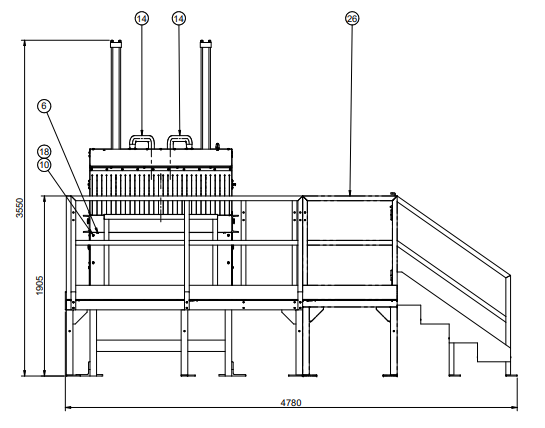
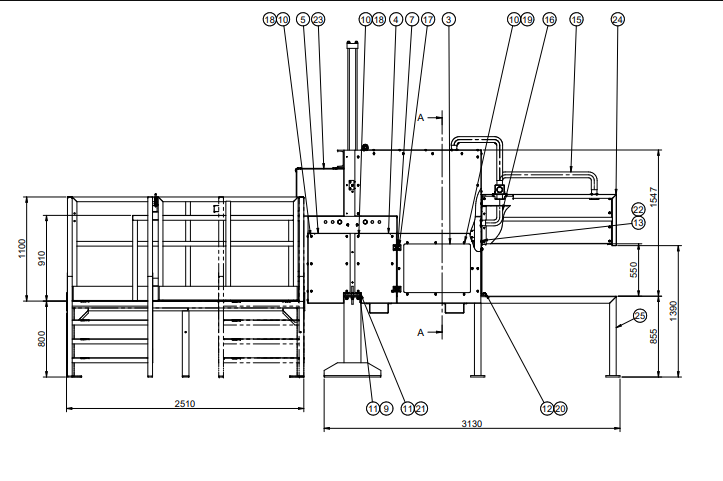
Der erste Bereich der Linie umfasst die Entrahmungseinheit und den Stokkermill DLS-Delaminator.
Die Entrahmungseinheit entfernt den umlaufenden Aluminiumrahmen, sodass das Aluminium getrennt zurückgewonnen und das Modul auf den nächsten Verarbeitungsschritt vorbereitet werden kann. Anschließend wird das Modul dem DLS-System zugeführt, das die Delamination durchführt und die Glaskomponente vom Laminatverbund trennt.
Der wichtigste Output dieser Stufe ist das zurückgewonnene Glas. Die verbleibende EVA-/Backsheet-Fraktion, die die Photovoltaikzellen und die damit verbundenen Materialien enthält, wird zur Aufbereitungssektion weitergeführt.
Aufbereitung der EVA- und Siliziumfraktionen
Nach der Entfernung des Glases wird das verbleibende Material im EVA-Silizium-Aufbereitungssystem verarbeitet.
In dieser zweiten Stufe wird das aus dem Delaminator kommende Laminatmaterial zerkleinert und verarbeitet, um zwei unterschiedliche Fraktionen zu erhalten:
- eine Fraktion mit überwiegendem EVA- und Backsheet-Anteil;
- eine siliziumhaltige Fraktion aus den Photovoltaikzellen.
Das System erzeugt kein reines Silizium und ersetzt keine möglicherweise erforderlichen nachfolgenden metallurgischen oder sonstigen Raffinationsprozesse. Seine Aufgabe besteht darin, die Materialien mechanisch vorzubereiten und zu trennen. Dadurch entstehen homogenere Fraktionen, die sich in den nachfolgenden Rückgewinnungsschritten leichter handhaben und verarbeiten lassen.
Zurückgewonnene Materialien
Der Solar-Delamination-Prozess erzeugt getrennte Materialströme der wichtigsten in Photovoltaikmodulen enthaltenen Materialien:
- Aluminium aus der Entfernung der Modulrahmen;
- Glas aus der Delamination;
- eine Fraktion mit überwiegendem EVA- und Backsheet-Anteil;
- eine siliziumhaltige Fraktion aus den Photovoltaikzellen.
Zusammensetzung und Eigenschaften dieser Outputfraktionen können je nach Typ, Aufbau und Zustand der verarbeiteten Module variieren.
Stokkermill Solar-Technologie
Stokkermill Solar entwickelt spezielle Lösungen für die Verarbeitung und das Recycling ausgedienter Photovoltaikmodule – von einzelnen Maschinen bis hin zu vollständig integrierten automatischen Anlagen.
Die Anlage Solar Delamination kombiniert die Entfernung der Rahmen, die Delamination und die Aufbereitung der Fraktionen in einer koordinierten Plattform. Damit bietet sie eine industrielle Lösung für die Rückgewinnung von Glas und die Vorbereitung EVA- und siliziumhaltiger Fraktionen.